
Seafood dining in Myrtle Beach puts you in front of a genuinely great problem: too many good options. Fresh fish, shrimp, scallops, and mussels all show up on menus along the Grand Strand, and each one eats completely differently. The right choice depends on your flavor preferences, how the kitchen is preparing it, and what else you’re ordering that night.
This guide walks you through exactly how to make that call, step by step, so you leave the table satisfied instead of second-guessing your order.
Before you open the menu, a few quick questions will narrow your options fast. You don’t need to be a seafood expert. You just need to know a little about yourself as a diner.
Keep those answers in mind as you work through the steps below.
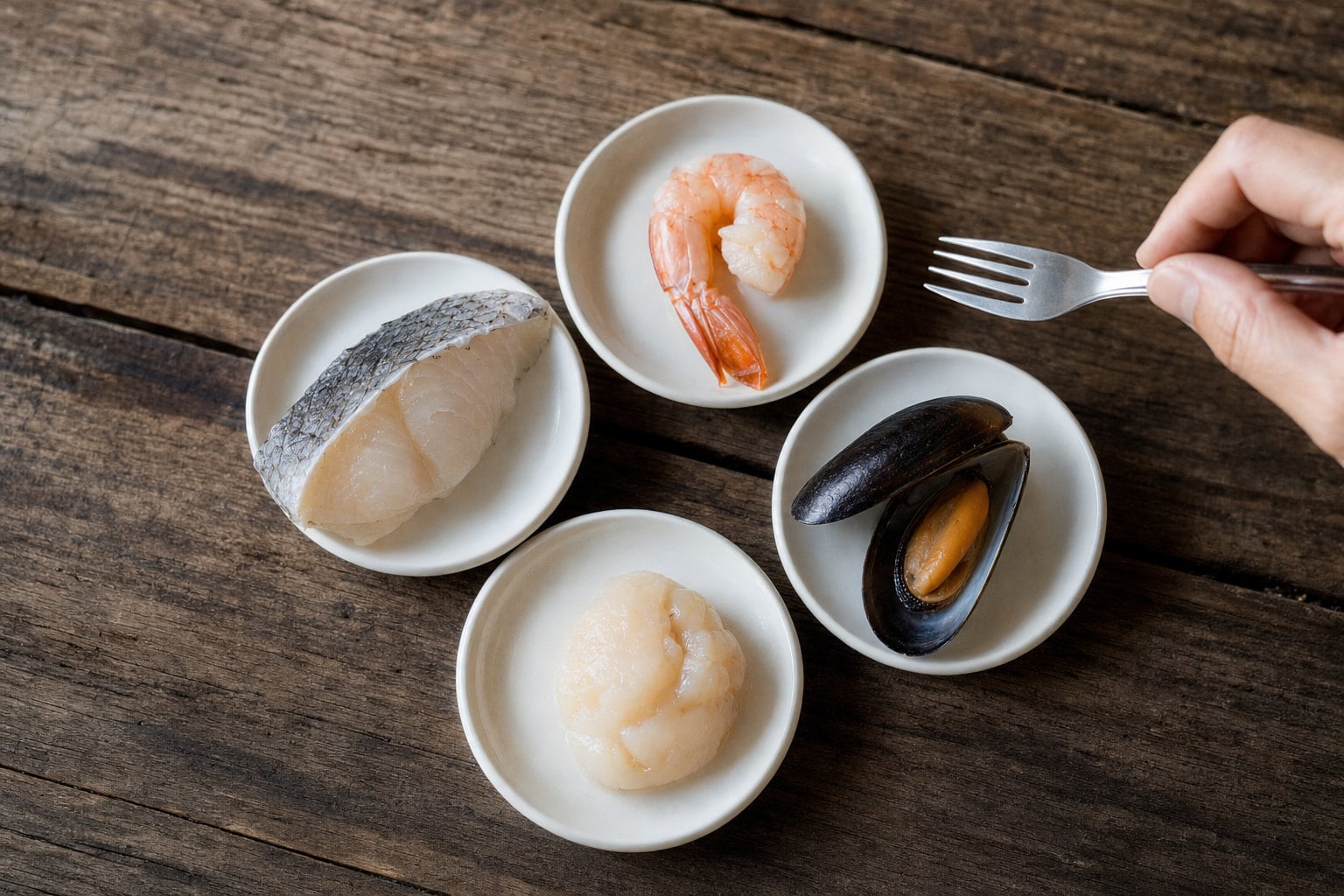
Each of the four main options on a Myrtle Beach seafood menu has a distinct flavor and texture profile. Knowing the difference before you order is the single most useful thing you can do.
Fresh fish is the broadest category. A flounder fillet is mild, flaky, and almost buttery. A mahi-mahi is firmer with a slightly sweet flavor. A grouper has a clean, lean taste that holds up well to bold sauces. Along the South Carolina coast, locally caught species like flounder, red snapper, and black sea bass show up regularly on menus, especially in summer and early fall when inshore fishing is most active.
South Carolina shrimp are a different animal from the frozen, imported shrimp you find at a grocery store. Local wild-caught shrimp have a slightly sweet, briny flavor and a firm snap when you bite into them. They’re versatile: fried, grilled, sautéed in butter and garlic, or tossed into a Low Country boil. Shrimp season along the South Carolina coast typically runs from May through December, which means summer and fall visitors are eating shrimp at their peak.
Scallops are sweet, rich, and tender when cooked correctly. A properly seared scallop has a golden crust on the outside and a soft, almost creamy center. They’re one of the more delicate proteins on any menu, which means the kitchen’s technique matters a lot. Overcooked scallops turn rubbery fast. When a kitchen gets them right, they’re hard to beat.
Mussels are the most intensely flavored of the four. They’re briny, slightly chewy, and absorb whatever liquid they’re steamed in, whether that’s white wine, garlic butter, or a tomato broth. They’re almost always served as a shared starter or a lighter entrée. If you want something that feels more like a full, hearty dish, mussels work best alongside bread or fries to soak up the broth.
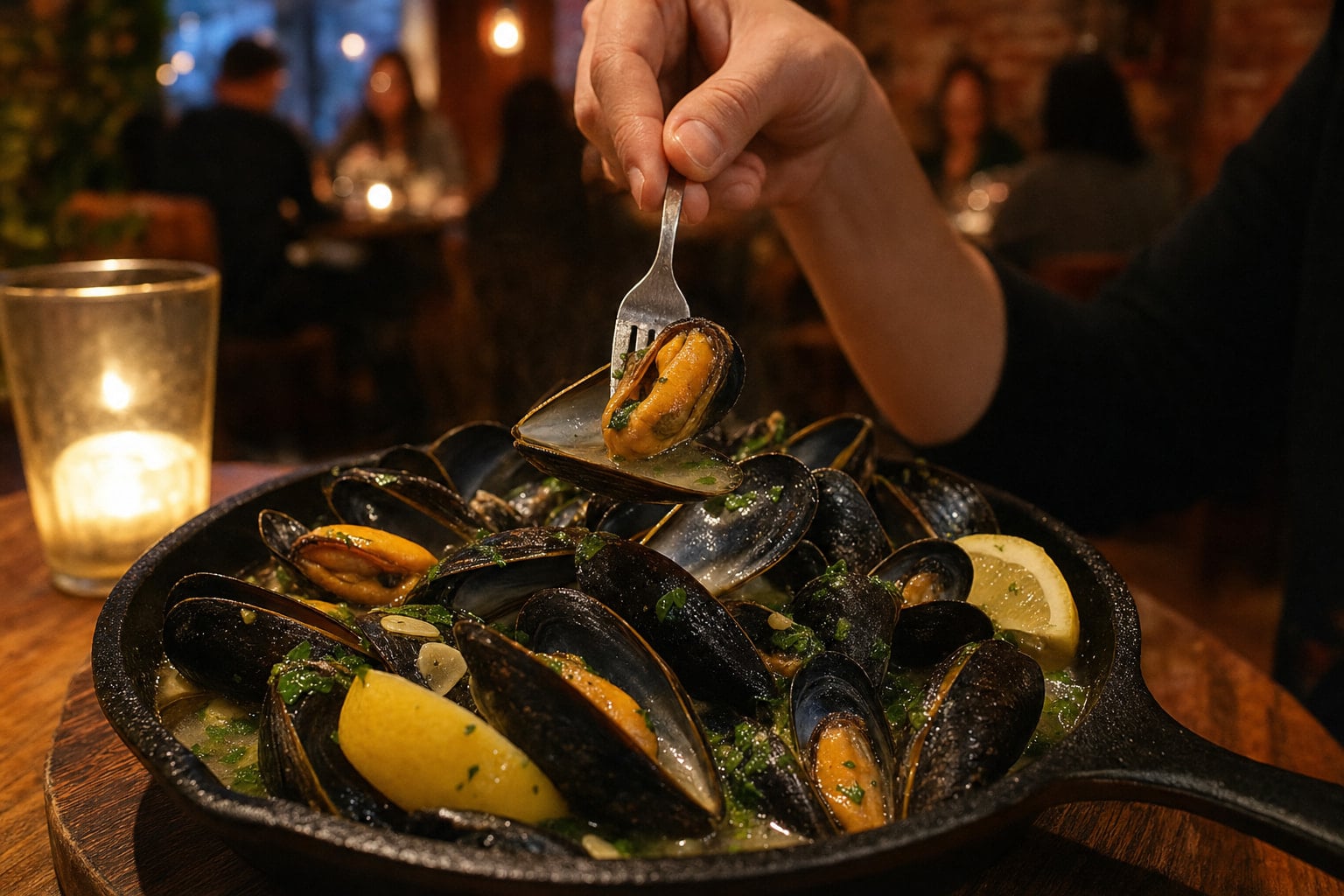
The preparation method changes everything. The same piece of fish tastes completely different depending on how the kitchen handles it, and a good menu description tells you exactly what you’re getting.
The best seafood order isn’t always the most expensive one on the menu. It’s the one that matches how the kitchen is cooking that night.
If the menu just says “grilled shrimp” without any other detail, it’s fair to ask your server how it’s seasoned and what it comes with. A good front-of-house team will know.
Myrtle Beach sits on the Atlantic coast, and the seafood calendar here is real. What’s fresh in July is not the same as what’s fresh in November. Eating in season isn’t just a food-trend talking point. It genuinely affects flavor and quality.
A few general guidelines for the Grand Strand area:
The simplest move: ask your server what came in fresh today. Any kitchen worth eating at will have an answer.
If you’re ordering a cocktail or a glass of wine with dinner, the pairing matters more than most people think. You don’t need a sommelier. You just need a rough sense of weight and intensity.
If you’re planning a full evening with drinks before dinner, check out the happy hour specials to build your drink plan before you sit down to order food.
Seafood dining in Myrtle Beach is often a shared experience. If you’re at the table with other people, what everyone else orders shapes what makes sense for you.
A few practical considerations:
For more ideas on how Southern sides and seafood work together, the post on best Southern comfort food in Myrtle Beach covers the local flavor combinations worth knowing.
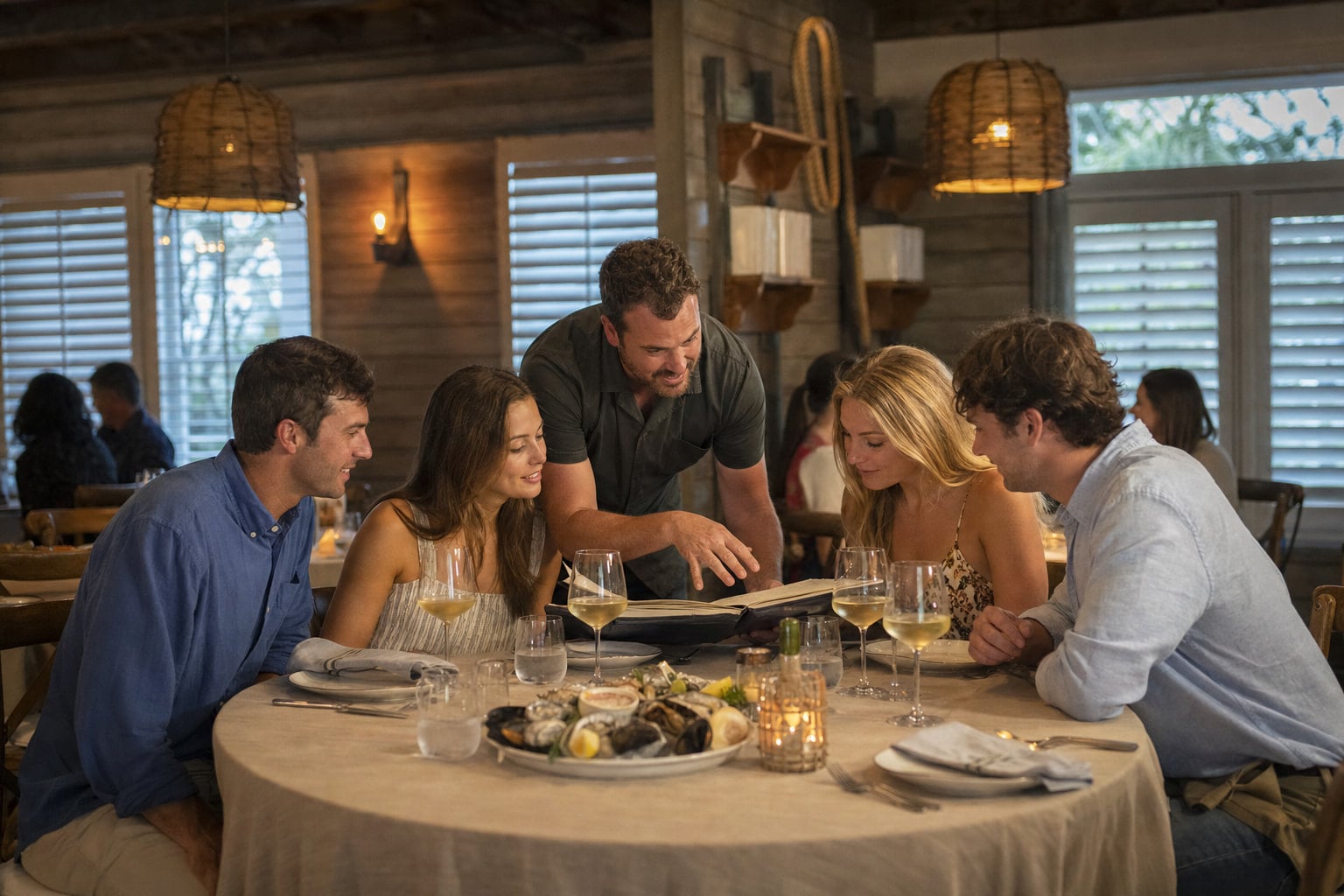
A printed menu is a snapshot. Specials change, sourcing changes, and a good kitchen will often have something that isn’t listed. Here’s how to get the most out of your server before you commit to an order.
You can browse the current offerings at full menu before you arrive so you’re not making decisions cold.
Not every night calls for seafood. If you’ve been eating fish and shrimp all week on a Myrtle Beach trip, there’s no rule that says you have to order it again. A well-built Southern kitchen gives you real options.
Signs it might be a night to go a different direction:
A restaurant with a strong Southern menu will have options that hold up just as well as the seafood. If you’re planning a bigger evening that includes live entertainment, the guide to planning a perfect night out with food, drinks, and entertainment in Myrtle Beach is worth a read before you go.
If you’re planning a night out and want to make sure you have a table, call 44 & King at (843) 626-5464 or book your reservation online.
Shrimp is the most popular seafood option along the Grand Strand, largely because South Carolina wild-caught shrimp are locally available from May through December and appear on nearly every coastal menu. Fresh fish like flounder and grouper are close behind, especially during summer when inshore catches are at their peak.
Ask your server directly what came in that day. A kitchen working with fresh product will know the answer. You can also look for daily specials boards, which typically feature whatever the kitchen received that morning. Menus that never change and don’t list a catch of the day are a reasonable signal that sourcing is less of a priority.
Dry-packed scallops contain no added water or preservatives, which means they sear properly and develop a golden crust. Wet-packed scallops are treated with a sodium solution that adds water weight, and they tend to steam rather than sear in the pan. Dry-packed scallops have a cleaner, sweeter flavor and are generally considered the higher-quality option.
Mussels work well as either, depending on how they’re served. A large pot of mussels in a flavorful broth with bread or fries on the side is a satisfying entrée. As a starter, a smaller portion sets up the table nicely before a fish or shrimp main. The key is the broth, so ask what liquid the kitchen uses before you order.
A light lager, a wheat beer, or a citrus-forward cocktail all work well with fried shrimp. The goal is something crisp and clean that cuts through the richness of the fry without overpowering the shrimp’s natural sweetness. Avoid anything too heavy or spirit-forward, which can make the meal feel heavier than it needs to be.
Yes, several restaurants along the Grand Strand offer outdoor seating, and the coastal climate makes it a genuinely enjoyable option for much of the year. If you’re interested in dining outside, the post on outdoor dining in Myrtle Beach covers what to look for when choosing a spot.
Summer through early fall is the strongest window for local seafood in Myrtle Beach. Wild-caught shrimp season runs from roughly May through December, and warm-water species like flounder, mahi-mahi, and Spanish mackerel are most active June through September. Winter menus lean more on scallops, mussels, and imported fish, which can still be excellent when sourced well.